

Alcohol Detox at Home
Alcohol detox at home is a risky and complicated process. Many who stop drinking suddenly experience uncomfortable and potentially dangerous withdrawal symptoms. Seizures as well as delirium tremens (DTs) are among the most severe withdrawal symptoms.
Detoxing at home may be an option for certain people, but it isn't recommended for those who have an antecedent of alcohol withdrawal seizures, DTs or have other health conditions that could worsen their symptoms.
Rest well
Sleeping in a lot is one of the best things you can do for yourself during alcohol detox. Sleep allows your body to recover from the physical effects of withdrawal and can also help you manage any mental health symptoms you may suffer from. It is essential to get at least eight hours of sleep every night, and to try not to engage in activities that will interfere with your ability to sleep.
Keep hydrated by drinking plenty of water or other hydrating liquids. This will help reduce withdrawal symptoms like nausea and tremors. In addition, eating foods that are high in minerals and vitamins can help to keep your body well-nourished during the detox process.
If you are unable to sleep, a sedative like Melatonin can ease any uncomfortable withdrawal symptoms. It's also a good idea for you to use techniques for reducing stress such as deep breathing and meditation. These will help you stay focused on your recovery goals and get it through the detox process without difficulties.
Home detox is a successful and safe option for a lot of but it's not suitable for all. If you suffer from a serious alcohol abuse disorder or are experiencing dangerous withdrawal symptoms, you should detox in a medical setting.
Eat a healthy diet
A balanced diet is the best way to fight withdrawal from alcohol. Many people who are in the process of detoxing from alcohol suffer loss of appetite or gastrointestinal issues. A healthy diet rich in whole grains, vegetables, and proteins can aid in overcoming this.
Leafy greens such as spinach, kale, and Bok Choy are rich in nutrients that your body requires to cleanse itself of alcohol. These foods are packed with Vitamin B, calcium, and iron. You can eat these foods in salads, wraps from them or add them to stews and soups.
Eggs and legumes are great sources of protein. They also supply the body with amino acids, which are vital during alcohol detox. These amino acids help your liver break down the toxins and improve your mood. Nuts are a good source of protein during the alcohol detox. Nuts like almonds, walnuts and cashews have a lot of minerals and vitamins. You can sprinkle nuts on salads or eat them as snacks between meals.
Drinking plenty of water is vital during the process of detoxification from alcohol to eliminate the toxins from the liver. Additionally, you should consume foods that are high in vitamin C and fatty acids. These nutrients can reduce inflammation and improve your immune system. Fruits include blueberries, strawberries and bananas. In addition, you should consume foods that are yellow and orange-colored because they're rich in vitamin C and carotenoids. These compounds are converted to vitamin A in the body. Vitamin A is important for eye health and immunity.
Take vitamins
Vitamins play a crucial role in the process of removing alcohol from your body. It replenishes the nutrients lost by heavy drinking, which can alleviate withdrawal symptoms and lower cravings, as well as aid in recovery. You can find vitamins in many food items, such as leafy greens and dairy products. It is crucial to eat a balanced and healthy diet and drink enough water. Being able to rest enough allows your brain to reenergize and sends messages to your organs that will help eliminate any toxins from your body.
One of the most important vitamins that alcoholics should take is Vitamin A, which helps improve sleep and reduce insomnia, which is a common withdrawal sign. Vitamin A can also reverse the effects of zinc deficiency which can affect metabolism or result in Wernicke Korsakoff Syndrome.
Alcohol can also deplete liver stores of essential B-vitamins. This includes the thiamine (vitamin B1) or folic acid. These vitamins are crucial for maintaining healthy blood and hormone regulation and for improving mood.
It's not difficult to take these vitamins. They are available in pill form, drinks mixes, and Gummies. You can also eat foods that are rich in these vitamins, like spinach and kale, avocados. It is important to consult your physician or nutritionist prior to taking any supplements.
Exercise regularly
Exercise is important when you are trying to detox from alcohol. This will help reduce your stress levels and boost your mood which can be difficult during this time. Exercise can help you establish healthy relationships with others. This will help you overcome feelings of isolation and loneliness that are common during detox.
Exercise can help you sleep better and improve your diet. This can reduce fatigue. Be careful not to overdo it, as you may experience physical symptoms of alcohol withdrawal during this period. If alcohol detox center experiencing these symptoms consult with a doctor before starting any exercise program.
Avoid drinking coffee during this time because it can trigger anxiety and panic attacks. You should also consume a balanced diet, including lots of vegetables and fruits. Avoid sugary drinks as they can cause your alcohol cravings to get worse.
The process of detoxing from alcohol can be a difficult and painful process but it's a vital first step in the recovery process. After you've completed your alcohol detox at home, it's essential to continue with regular therapy sessions to avoid relapse and find out the root causes of your addiction. In addition, it's important to keep in mind that recovery is a long-term process that requires ongoing maintenance and assistance. Contact your healthcare provider when you see any indications of relapse.
Reduce your consumption of alcohol
People suffering from moderate or mild alcoholism can detoxify at home if they follow the appropriate precautions to avoid withdrawal symptoms. The most important thing is to consult a doctor before beginning a detox at home. They will assess your risk and offer advice on how to manage withdrawal symptoms should they occur.
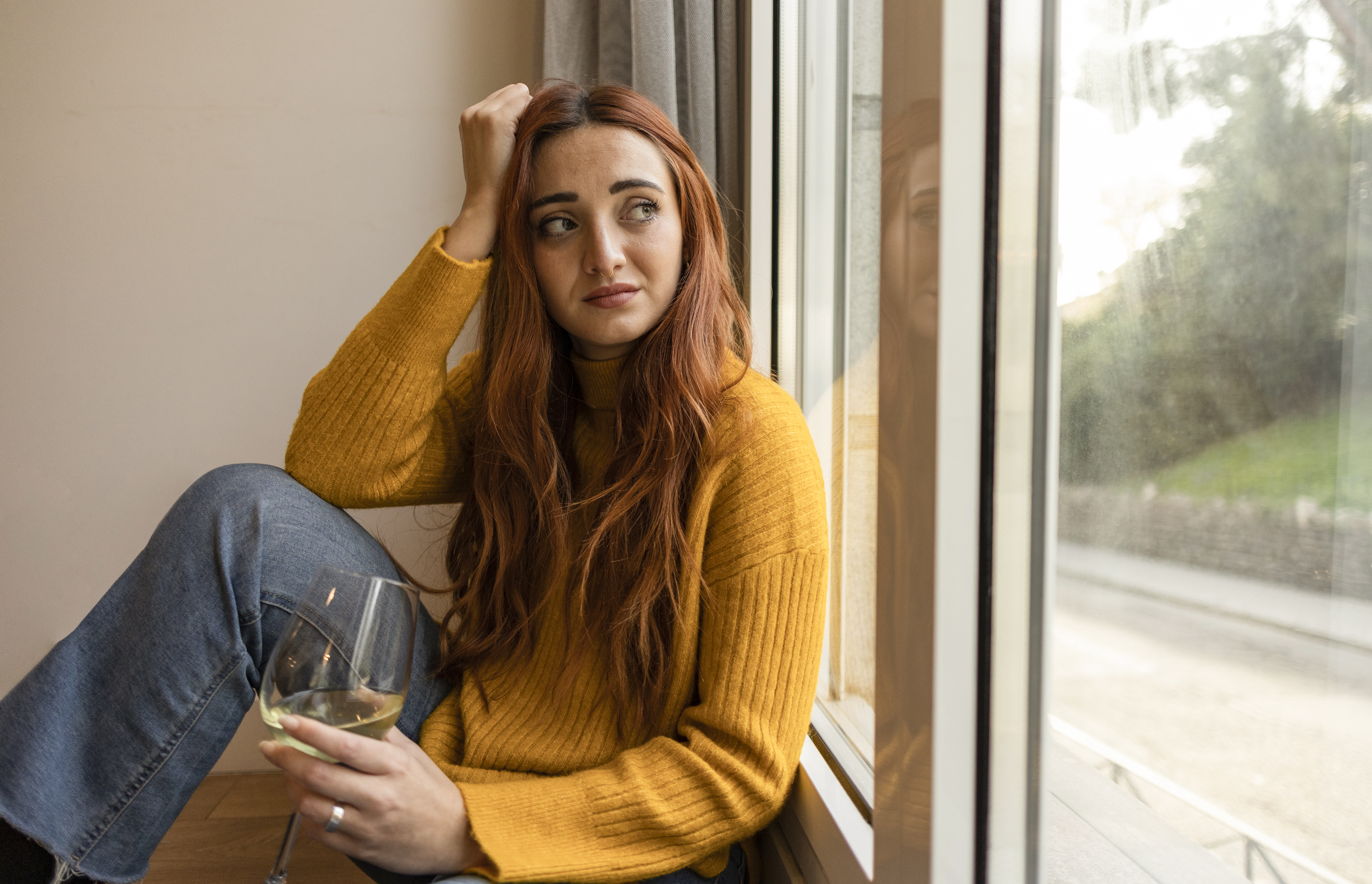
Home detox can be a challenging process, particularly for those with severe alcohol addictions. People who suffer from a severe dependency on alcohol are more likely to experience severe withdrawal symptoms like seizures and delirium tremens. These symptoms can be very hazardous and should be avoided at all cost.
A good way to help reduce withdrawal symptoms is to gradually reduce your alcohol use. This is a common approach when trying to stop other drugs such as opioids or benzodiazepines, but it can also be effective for alcohol. Tapering refers to gradually decreasing your drink amount over time. It can be done by an explicit taper, where you cut down on the amount of drinks you consume every day, or a substitute taper, where you change to low-alcohol beverages like beer.
Other essential tips to ensure the success of your alcohol detox at home include drinking plenty of water and getting enough rest. People who have a strong support system can be extremely helpful. Join a sober club Find a therapist or find an accountability partner. Last but not least, empty your home from any alcohol to avoid the temptation.
Keep yourself busy
The most important aspect of a detox from alcohol is to avoid situations that could trigger a relapse. It is also important to stay busy during this time. It is important to stick to a plan. This will help to keep your mind and body engaged and stop the feeling of boredom that can lead you to take a drink.
private alcohol detox can keep your mind active by doing something you enjoy or that stimulates your senses. Play an activity, listen to music (but not music that reminds you of your drinking days), go shopping or read a book. Avoiding situations that are high risk can prevent a Relapse. This includes places, people and things you are able to associate with your addiction.
how to alcohol detox at home is essential to seek medical help immediately if you start experiencing withdrawal symptoms. The withdrawal from alcohol can lead to hallucinations, seizures, and other dangerous adverse effects. The first sign of these symptoms typically occurs between 24 and 48 hours after the last drink.
It takes courage to begin an alcohol detox at home. It is best if it is done under the supervision of medical professionals, like the ones at Indiana Center for Recovery. This is the best way to ensure successful recovery. A medically assisted detox is a great way to start a lifelong sobriety.