

Alcohol Home Detox - A Safe and Effective Treatment Option
There is no need to go to rehab to beat alcoholism. In fact, you can do your detox and rehabilitation from the at-home comforts of your home.
This treatment method is easier and less expensive than visiting rehab centres. alcohol detox center is also very effective.
Cost
A detox can help you stop drinking alcohol and let your body cleanse itself naturally. However, it's important to remember that not everyone should detox at home, as doing so increases the chance of getting back into the habit. To avoid relapse, it is recommended to follow the advice of a doctor and complete the detox under supervision. This way, you can receive the proper care and support to overcome your addiction.
It is important to be aware of how much alcohol detox at home will cost. Although it may be less expensive than an inpatient rehab, it is still an investment of a substantial amount. Inpatient rehabs provide 24/7 care which includes meals and accommodations in a secure, residential facility. However, the cost of inpatient rehab can vary significantly based on the type of center you select and the services it provides.
A professional will oversee your alcohol detox in a secure setting or at home. This lets you carry on with your regular routine and obligations throughout the process, with minimal disruption to your daily life. During this period, you will be given medication to help you manage withdrawal symptoms and complications. The medication you receive will likely contain sedatives to ease the withdrawal-related discomfort. You may also be prescribed sleeping tablets and anti-sickness medications to help you rest better.
A home detox is usually much less expensive than full rehab treatment, as you'll only have to pay for the detox medication and any other expenses. This is a great option for anyone who needs to get rid of their addiction to alcohol and can't afford inpatient rehab.
If you are worried about the expense of an alcohol home detox, it is worth bearing in mind that public treatment programmes are free for all UK residents. This is because they're provided by the NHS however they are often oversubscribed, which can result in long waiting lists. However private detox clinics operate independently of the NHS and specialize in treating a wide range of disorders relating to addiction and behaviour.
Convenience
Home detox is an easy and safe way to help people recover from alcohol abuse disorder. The first step towards recovery from AUD is detox which eliminates harmful substances from the body. But, if you don't take the proper care could lead to problems and severe withdrawal symptoms, such as seizures. It is best to detox under the supervision of medical professionals. Many people prefer to detox at home rather than in a rehab facility.
Home treatment is a great option for people who have a busy schedule and cannot take time off work or their family obligations to go to rehabilitation facilities. It's also less expensive than residential therapy. private alcohol detox is less expensive and provides flexibility and convenience for those who require it.
Furthermore, home detox provides individuals with greater privacy than inpatient treatment. This allows them to remain in their normal surroundings and carry on with their daily obligations while they go through withdrawal. In addition, they can receive a higher level of care than they do at an inpatient rehab center.
Another benefit of doing an alcohol home detox is that it can be completed at a time and in a location that is suitable to the individual's requirements and lifestyle. It is generally more convenient than going to a rehabilitation program, which may be located at different locations throughout the UK.
A home detox is also more effective than quitting drinking on your own. This could lead to serious withdrawal symptoms. Home alcohol detox isn't suitable for everyone. This is especially applicable to those suffering from extreme addictions or mental health conditions that co-occur. In these instances residential rehabilitation programs with 24/7 medical supervision could be the best choice.
The benefits of a detox at home are evident however there are a few things you need to be aware of prior to you decide to undergo this type of treatment. If you're considering a house detox, talk to your doctor or GP to determine whether it's the best option for you. They will be able to give you advice and refer you to an alcohol detox at home should it be necessary.
Symptoms
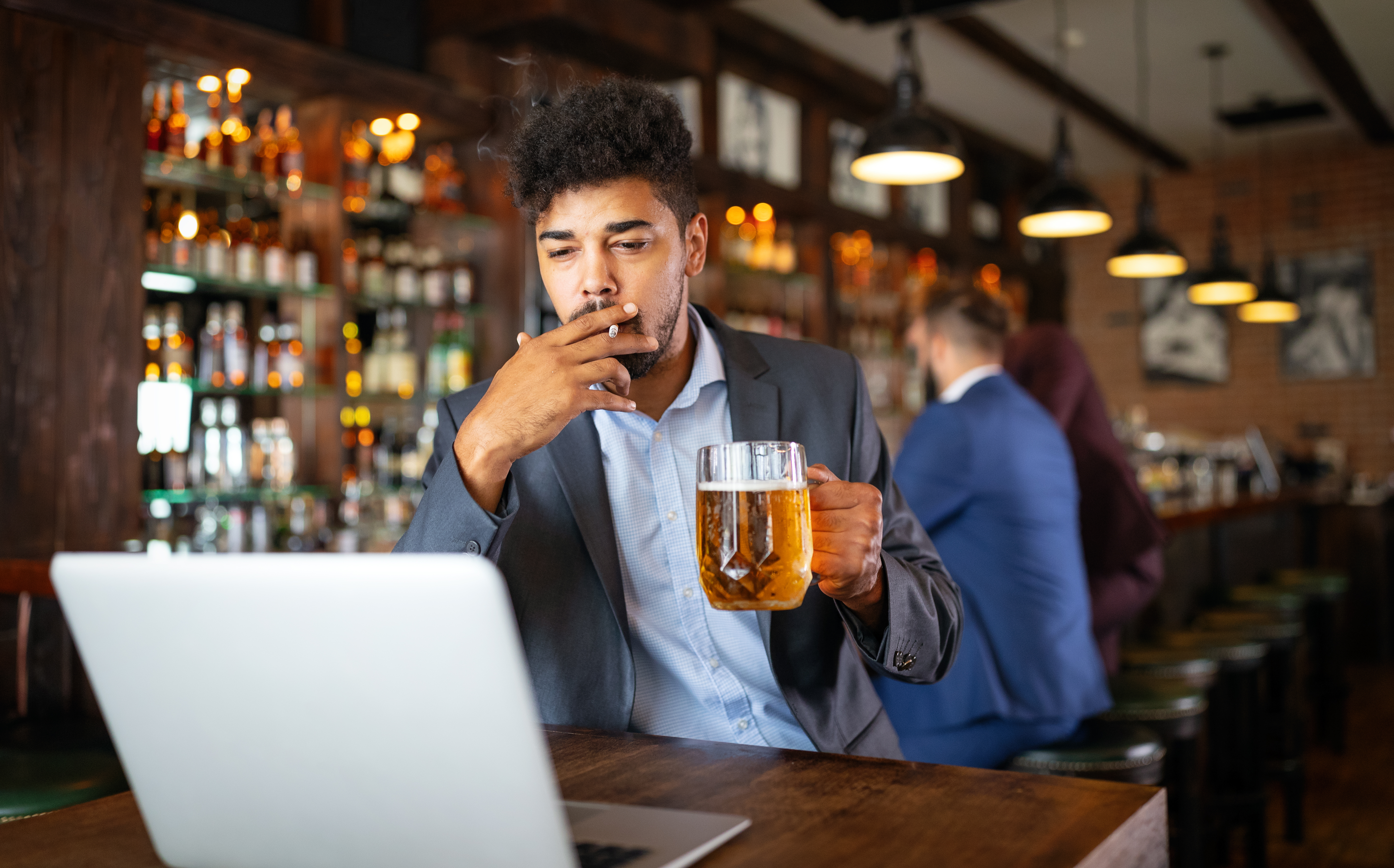
When those suffering from addiction to alcohol try to quit drinking, they'll feel uncomfortable withdrawal symptoms. Alcohol is a central nervous system suppressant. This means that if someone drinks regularly, their brain and body function will decrease. The body will become accustomed to this reduced state and will react violently when deprived of its source of. Alcohol detox is a process by which the alcohol is removed from the body. However, it can take a long time and cause uncomfortable withdrawal symptoms until the alcoholic has reached a sober condition.
In some cases doctors will prescribe a medication to help with the alcohol withdrawal process. For instance, Chlordiazepoxide (Librium) is a well-known benzodiazepine which can lessen the severity of withdrawal symptoms. It is crucial for an alcoholic to adhere to the dosage instructions exactly to avoid overdosing on the drug. This could be harmful for patients, especially those who are already feeling anxious and vulnerable because of withdrawal from alcohol.
The GP may also offer the patient vitamins as it is normal for alcoholics to suffer vitamin deficiencies. They may also suggest sleep aids, since many people who drink regularly suffer from poor quality sleep. It is also essential to stay away from drinks with caffeine during the detox phase since they can aggravate sleep issues.
People who are addicted to alcohol but are unable to afford a residential rehab program will often decide that a home detox is the most effective alternative. The disadvantages of detoxing from alcohol at home include the lack of supervision and support from a professional and the increased risk of severe withdrawal symptoms that could be fatal. how to alcohol detox at home is therefore always best to consult a qualified therapist prior to starting an alcohol detox program. A nurse or doctor can inform a patient if they are suitable for a home-detox and provide suggestions on how best to carry out the program.
Getting Started
Alcoholism is a serious condition, and it can cause a variety of health issues if it is not treated. Alcohol abuse is the consumption of excessive amounts of alcohol on a regular basis, which can have a negative impact on one's health and lifestyle. You can undergo an alcohol home detox in case you're concerned that your drinking habits have turned unhealthy or even addictive. This is an effective and safe method to aid you in breaking the addiction to alcohol.
The process of going through an alcohol detox at home starts with a consultation with a doctor. This will ensure that you are in good hands throughout the detox process and that you receive the assistance you require. A doctor may prescribe medication to help manage withdrawal symptoms. For example an order of chlordiazepoxide. When you begin your detox, it is essential to eliminate all alcohol from your home. This will prevent relapse and make the process easier. It is also important to find other ways to keep you from the desire to drink alcohol. You can try a new sport or spend time with your family and friends.
After you have completed your detox, it is important to follow up with therapy. This can take the form of individual or group counselling, CBT and other treatments, all designed to help you overcome your addiction. If you don't address the psychological aspect of your addiction, you're unlikely to be able stop drinking on a long-term basis.
Even though it may appear daunting, a DIY withdrawal from alcohol can be successful and safe if you monitor yourself carefully. If you're concerned about relapse, you can consult your GP for additional assistance or join mutual aid groups such as SMART Recovery and AA. The GP may prescribe acamprosate or naltrexone through the Pharmaceutical Benefits Scheme to prevent relapse. These are a great option to take together with a planned aftercare program. A continuing therapy program will keep you on course to meet your goals and achieve lasting abstinence from alcohol.